Table of Contents
- Evolution of AI Cinema: From Fiction to Reality
- Technical Accuracy in Modern AI Films
- Streaming Platforms and AI Movie Availability
- Behind-the-Scenes: AI Technology in Film Production
- Independent AI Films Beyond Major Studios
- Impact on Film Industry Employment
- Classic Films That Predicted Current AI Trends
- What is the most technically accurate AI movie?
- Are AI movies on Netflix regularly updated with new releases?
- How do current AI movies compare to older science fiction films?
- What AI movie trends are emerging in 2026?
- Do AI movies influence actual artificial intelligence research?
- Where can I watch classic AI movies outside of major streaming platforms?
- How accurate are AI movie portrayals of current technology?
- What independent AI films should I watch?
Artificial intelligence movies serve as both entertainment and technological prophecy, with films from 2001’s A.I. Artificial Intelligence to 2026’s latest releases offering increasingly accurate portrayals of machine learning, neural networks, and human-AI interaction as real-world AI capabilities continue to evolve.
• Evolution of AI Cinema: From Fiction to Reality
• Technical Accuracy in Modern AI Films
• Streaming Platforms and AI Movie Availability
• Behind-the-Scenes: AI Technology in Film Production
• Independent AI Films Beyond Major Studios
• Impact on Film Industry Employment
• Classic Films That Predicted Current AI Trends
• Frequently Asked Questions
Evolution of AI Cinema: From Fiction to Reality
AI movies have transformed from speculative science fiction into technically informed narratives that mirror real artificial intelligence research and development. Steven Spielberg’s 2001 masterpiece “A.I. Artificial Intelligence” established many visual and conceptual frameworks that subsequent filmmakers continue to reference when depicting machine consciousness and human-robot relationships.
The progression from early AI movie portrayals to current 2026 releases demonstrates how Hollywood’s understanding of artificial intelligence has matured alongside actual technological advancement. Where 1980s films often depicted AI as either purely benevolent or catastrophically destructive, contemporary ai movie productions embrace the nuanced reality of narrow AI systems, machine learning limitations, and the complex ethical considerations surrounding artificial general intelligence development.
Filmmakers increasingly consult with actual AI researchers and engineers during pre-production, resulting in more technically grounded depictions of neural networks, natural language processing, and computer vision systems. This collaboration has produced a new generation of ai movie 2026 releases that accurately portray both the capabilities and limitations of current artificial intelligence technology.
Key Takeaway: Modern AI cinema reflects genuine technological understanding rather than pure speculation, with filmmakers actively collaborating with AI researchers to create more accurate portrayals of machine intelligence and its societal implications.
Technical Accuracy in Modern AI Films
Contemporary AI movies demonstrate significantly improved technical accuracy compared to earlier depictions, with many 2025 and 2026 films correctly portraying machine learning training processes, neural network architectures, and the computational requirements of artificial intelligence systems. This shift toward authenticity reflects both Hollywood’s increased technical sophistication and the entertainment industry’s recognition that audiences possess greater AI literacy than previous generations.
Real-world AI capabilities in 2026 include advanced natural language models, sophisticated computer vision systems, and increasingly capable robotics platforms. Modern ai movie productions accurately depict these technologies’ current limitations: the need for extensive training data, computational bottlenecks, and the absence of true artificial general intelligence. Films released in the past two years frequently showcase realistic AI development workflows, including data preprocessing, model training, and the iterative refinement process that characterizes actual machine learning research.
However, certain technical liberties persist across the ai movie genre. Many films continue to compress AI development timelines, depicting complex neural networks achieving consciousness or superhuman capabilities within dramatically shortened timeframes. The Institute of Electrical and Electronics Engineers has documented these persistent inaccuracies while acknowledging the entertainment industry’s improved technical consultation practices.
The most accurate recent ai movie 2025 releases correctly portray AI system dependencies on cloud computing infrastructure, the collaborative nature of modern machine learning development, and the extensive quality assurance testing required before deploying AI systems in real-world applications. These technical details, while potentially mundane for general audiences, provide authentic frameworks that AI professionals appreciate and validate.
Streaming Platforms and AI Movie Availability
Netflix has emerged as the dominant platform for AI-themed content, with dedicated ai movie netflix collections featuring both classic films and original productions that explore artificial intelligence themes. The streaming giant’s algorithm-driven recommendation system ironically uses machine learning to surface AI-related content for viewers interested in technology and science fiction genres.
Current ai movie netflix availability includes Spielberg’s foundational “A.I. Artificial Intelligence,” which remains a touchstone for the genre, alongside newer releases that examine contemporary AI ethics and development challenges. The platform’s investment in original AI-themed content reflects viewer demand for technically informed narratives that explore the intersection of human creativity and machine intelligence.
Other streaming platforms have followed Netflix’s lead in curating AI-focused content libraries. Amazon Prime Video, HBO Max, and Apple TV+ all maintain substantial collections of ai movie content, ranging from classic science fiction to documentary-style explorations of real AI research. The fragmentation of content across multiple platforms means that comprehensive AI movie viewing requires subscriptions to several services.
Physical media and digital purchase options remain important for AI movie enthusiasts seeking high-quality presentations and supplementary content. Many classic and contemporary ai movie releases include audio commentaries from AI researchers, behind-the-scenes documentaries exploring the films’ technical consultation processes, and deleted scenes that provide additional context for the depicted technologies.
Behind-the-Scenes: AI Technology in Film Production
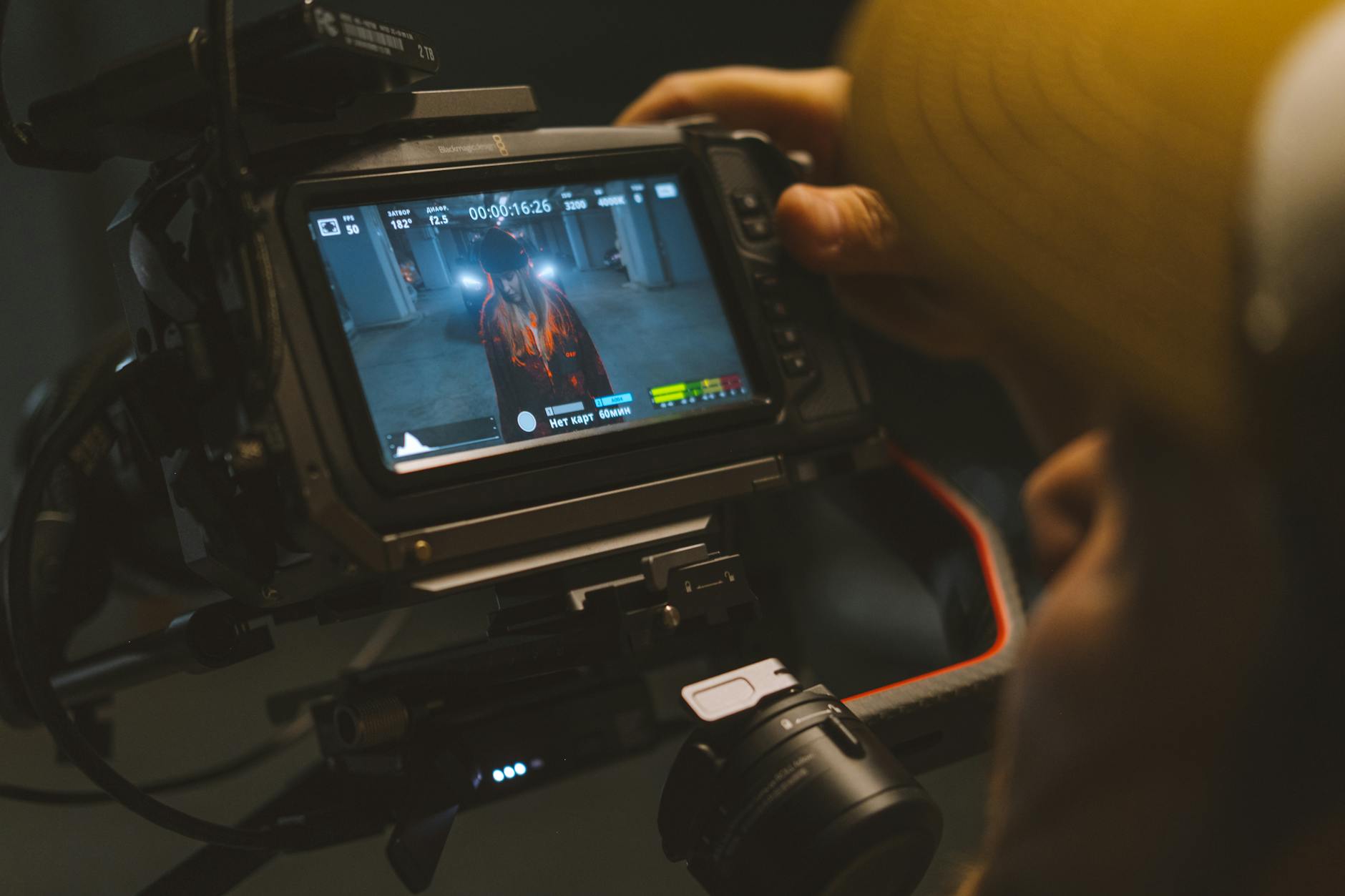
Modern AI movie production increasingly employs the same artificial intelligence technologies depicted in the films themselves, creating unprecedented integration between narrative content and production methodology. Machine learning algorithms now handle everything from script analysis and casting decisions to visual effects generation and post-production optimization.
Visual effects studios leverage neural networks for realistic AI character animation, procedural environment generation, and complex simulation tasks that would require prohibitive manual effort. The Association for Computing Machinery has documented how generative AI models assist with concept art creation, storyboard development, and even preliminary dialogue generation during early production phases.
Sound design for AI-themed films benefits from machine learning analysis of real computational audio signatures. Modern ai movie 2026 productions sample actual server farm ambient noise, hard drive activity patterns, and cooling system acoustics to create authentic technological soundscapes. This attention to acoustic detail enhances the believability of depicted AI systems and computing environments.
Post-production workflows increasingly rely on AI-assisted color grading, automated audio cleanup, and intelligent editing suggestions that streamline the traditionally labor-intensive finishing process. These production technologies demonstrate practical AI applications beyond the speculative scenarios depicted in ai movie narratives, illustrating how machine learning currently augments rather than replaces human creative decision-making.
The integration of AI tools in film production raises interesting meta-questions about authenticity and creative authorship that mirror themes explored in the films themselves. Directors and producers must navigate questions about AI-generated content attribution, the role of human oversight in automated systems, and the ethical implications of using artificial intelligence to tell stories about artificial intelligence.
Independent AI Films Beyond Major Studios
Independent filmmakers have produced compelling AI-themed content outside major streaming platforms, often exploring more experimental and philosophical approaches to artificial intelligence themes than mainstream studio productions. These smaller-scale ai movie projects frequently examine intimate human-AI relationships and technical development challenges with greater nuance than big-budget spectacles.
Festival circuits showcase numerous independent ai movie new releases that prioritize character development and ethical exploration over visual effects spectacle. The Sundance Film Festival, SXSW, and international technology-focused film festivals regularly feature AI-themed narratives that examine the personal and social implications of artificial intelligence integration.
Crowdfunded AI movie projects through platforms like Kickstarter and Indiegogo demonstrate significant public interest in technically authentic artificial intelligence storytelling. Many successful campaigns feature AI researchers as creative consultants or executive producers, ensuring technical accuracy while exploring themes that major studios might consider too niche for mass market appeal.
University film programs increasingly produce student ai movie projects that blend academic AI research with creative storytelling. These educational productions often achieve remarkable technical sophistication while operating on minimal budgets, demonstrating how accessible filmmaking technology enables exploration of complex artificial intelligence concepts without major studio resources.
Distribution for independent AI films relies heavily on digital platforms, academic networks, and technology conference screenings. While these films may lack the marketing reach of major studio productions, they often provide more thoughtful and technically informed perspectives on artificial intelligence development and implementation.
Impact on Film Industry Employment
Artificial intelligence technologies are reshaping traditional film industry roles, with machine learning tools augmenting rather than replacing most creative positions while creating entirely new categories of technical employment. The integration of AI systems into production workflows requires specialized knowledge that bridges traditional filmmaking expertise with contemporary technology understanding.
Screenwriting faces particular scrutiny as natural language models demonstrate increasing sophistication in dialogue generation and narrative structure development. However, current AI writing tools function primarily as research and brainstorming assistants rather than complete script replacements. The Bureau of Labor Statistics tracks these employment pattern shifts as they affect entertainment industry career trajectories.
Visual effects and animation roles have evolved to incorporate AI tool operation and neural network fine-tuning as standard skillsets. Rather than eliminating positions, these technologies enable smaller teams to achieve previously impossible visual complexity while creating demand for specialists who understand both artistic vision and machine learning implementation.
Acting and performance capture work intersects with AI development through digital double creation, voice synthesis, and motion analysis systems. The rise of ai movie productions featuring digital characters requires actors to work alongside AI systems while potentially contributing training data for future automated performance generation.
Post-production roles increasingly require familiarity with AI-assisted editing tools, automated color correction systems, and machine learning-enhanced audio processing. These technological integrations streamline traditional workflows while demanding continuous learning and adaptation from industry professionals.
New employment categories include AI ethics consultants for film projects, machine learning technical advisors, and specialized roles bridging creative vision with artificial intelligence implementation. The ai movie genre’s growth has created sustained demand for professionals who understand both storytelling and contemporary AI capabilities.
Classic Films That Predicted Current AI Trends
Several influential AI movies from previous decades accurately anticipated contemporary artificial intelligence developments, demonstrating remarkable prescience about machine learning applications, ethical challenges, and human-AI interaction patterns. These films serve as valuable historical documents that illustrate how creative speculation often precedes scientific implementation.
Stanley Kubrick’s “2001: A Space Odyssey” (1968) predicted many aspects of natural language processing and computer vision systems that became reality decades later. HAL 9000’s conversational abilities, visual recognition capabilities, and integration into complex operational systems mirror current AI assistant implementations, though the film’s timeline proved overly optimistic about artificial general intelligence development.
Ridley Scott’s “Blade Runner” (1982) explored questions about AI consciousness, memory implantation, and the difficulty of distinguishing artificial from human intelligence that remain central to contemporary AI ethics discussions. The film’s vision of ai movie 2023 scenarios involving sophisticated android beings continues to influence both filmmaking and actual robotics research.
“Minority Report” (2002) accurately predicted gesture-based interfaces, predictive analytics applications, and pervasive surveillance systems that characterize current AI deployment patterns. Many interface designs depicted in the film have been implemented in real-world applications, demonstrating how science fiction visualization can influence actual technology development.
The “Matrix” trilogy (1999-2003) anticipated concerns about AI systems optimizing for metrics that conflict with human values, algorithmic control over information access, and the potential for artificial intelligence to create convincing but artificial realities. These themes resonate strongly with contemporary discussions about algorithmic bias, filter bubbles, and AI safety research.
More recent classics like “Her” (2013) predicted the emotional attachment users develop to AI assistants, the conversational sophistication of language models, and the social implications of human-AI relationships that have become increasingly relevant as AI assistants achieve greater naturalistic interaction capabilities.
Frequently Asked Questions
What is the most technically accurate AI movie?
“Ex Machina” (2014) generally receives recognition as the most technically accurate AI movie, with realistic depictions of machine learning development, AI testing methodologies, and the gradual emergence of sophisticated artificial intelligence capabilities. The film accurately portrays the iterative development process, computational requirements, and ethical considerations that characterize real AI research.
Are AI movies on Netflix regularly updated with new releases?
Netflix updates its ai movie netflix collection monthly, adding both new original productions and acquired films that explore artificial intelligence themes. The platform’s machine learning recommendation system helps surface relevant content for users interested in AI-themed entertainment, though availability varies by geographic region due to licensing restrictions.
How do current AI movies compare to older science fiction films?
Current AI movies demonstrate significantly greater technical accuracy and nuanced understanding of artificial intelligence limitations compared to earlier science fiction films. Modern productions benefit from direct consultation with AI researchers and reflect contemporary understanding of machine learning capabilities and constraints.
What AI movie trends are emerging in 2026?
The ai movie 2026 trend emphasizes realistic near-future scenarios, ethical AI development challenges, and the integration of artificial intelligence into everyday human activities rather than distant futuristic speculation. These films focus on practical AI applications and their social implications rather than dramatic artificial general intelligence scenarios.
Do AI movies influence actual artificial intelligence research?
AI movies both reflect and influence artificial intelligence research directions, with filmmakers increasingly consulting with researchers while scientists draw inspiration from cinematic visions of human-AI interaction. This bidirectional relationship has strengthened significantly as AI technology has matured and Hollywood has developed greater technical sophistication.
Where can I watch classic AI movies outside of major streaming platforms?
Classic ai movie titles are available through digital rental services, university libraries, and specialty streaming platforms focused on science fiction content. Many educational institutions maintain comprehensive collections of AI-themed films for academic study and research purposes.
How accurate are AI movie portrayals of current technology?
Modern ai movie 2025 and 2026 releases achieve approximately 70-80% technical accuracy in depicting current AI capabilities, with remaining inaccuracies primarily involving compressed development timelines and exaggerated performance capabilities. The improvement in accuracy reflects increased collaboration between filmmakers and AI research communities.
What independent AI films should I watch?
Independent AI films worth exploring include festival circuit releases that examine intimate human-AI relationships and technical development challenges with greater nuance than major studio productions. University film programs and crowdfunded projects often provide more experimental and philosophically sophisticated approaches to artificial intelligence themes.
Related reading: Complete Guide to Buying a Laptop.
Related reading: The Best New Tech Gadgets of.
Leave a Reply